


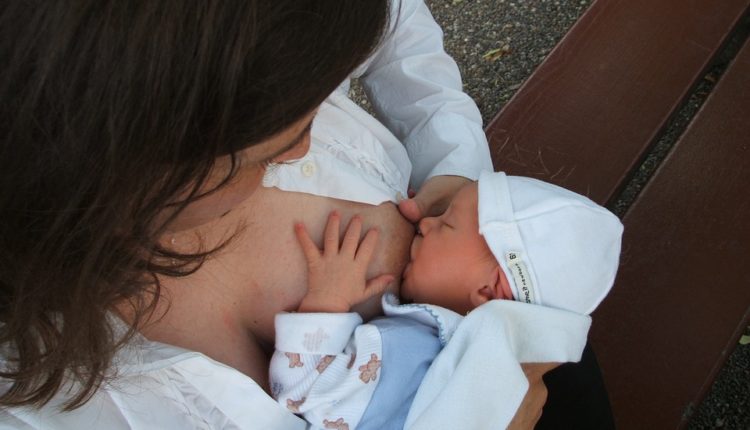
Maintaining a healthy diet and adequate nutrition while breastfeeding is important for both mom and baby. Whatever you eat contributes to the quality of breast-milk you produce. And, if something is lacking in your current diet, your body will dip into your reserve of nutrients to keep the breast-milk nutrient-dense.
This is why it’s important to pay attention to what you consume and consider how these things will affect not only your health, but the health of your child as well.
The composition of nutrients in human milk need to be consistent. A nutritional shortage for mom is more likely to reduce the quantity of milk rather than the quality of the milk.
Caloric Intake
A lactating woman should consume an extra 500 calories a day in order to obtain nutrients and compensate for the energy expended to produce breast milk.
Please note that this is 500 calories of HEALTHY FOOD! This additional calorie allowance is not an open invitation to hit the drive-thru everyday. Remember, these calories are needed to provide nutrients and energy and you can only obtain those things from healthy foods.
Protein
In addition to the extra calories, a lactating mother will require at least an additional 15 grams of protein each day. Those who eat a balanced diet of meat and produce (omnivores), as well as those who avoid meat but accept animal products such as eggs and milk (ovolactovegetarians), should have no problem meeting the protein increase.
Vegans, however, should carefully plan their diets to include soy products such as soy milk, tofu and soybeans as well as rice, beans and other grains.
Calcium
Calcium for milk production comes from the mother and when those calcium levels in the blood are not adequate for her needs, and those of the child, calcium deposited in her bones in withdrawn for milk production.
Be wary of cow’s milk as a source of calcium, however. According to John Wilson, M.D.:
“The antibiotics and hormones in most cow’s milk can be passed to your baby and might be harmful. For that reason, I recommend a fortified non-dairy soy beverage, naturally low in fat and totally devoid of lactose – that will fill all of the vitamin D and other nutrition requirements normally met by fortified milk. If you like cow’s milk, go back to this after you quit breastfeeding your baby.”
Vitamins
During lactation, vitamin A requirements increase from 800 micro-grams to 1300 micro-grams. The beta-carotene found in plants such as carrots, cantaloupe and broccoli can easily be converted to vitamin A by your body.
Vitamin C increases are easily met with citrus fruit, broccoli and potatoes.
Fortified milk, fortified soy milk and sunshine (yes, going outdoors!) supply the increased vitamin D your body needs during lactation.
Vitamin E is found in vegetable oils, whole grains and dark, leafy green vegetables.
Your need for B vitamins is slightly higher during lactation but you can increase those levels by consuming vegetables, fruit and whole grains.
Vitamin B12 supplements or food fortified with this vitamin are necessary for lactating vegan women as well as their child. This vitamin is only found in animal products and, although the vitamin B12 stores of a newborn of an omnivore are adequate for the first year of life. the vegan mother’s diet may not provide enough B12. This could result in anemia and neurological abnormalities.
If you are a vegan, please consult with your doctor in regards to maintaining a healthy level of vitamin B12.
Minerals
Breastfeeding omnivores and ovolactovegetarians can easily get enough calcium by consuming dairy products such as cheese and yogurts. Vegans, and those who are lactose intolerant, can consume fortified soy milk to replace dairy products.
Whole grains will also supply zinc, phosphorous and magnesium. Eat lots of whole grains and try adding bulgur wheat, wheat germ and barley to your favorite recipes. They add a lot of nutrition without changing the flavor appreciably.
Try to avoid taking nutritional supplements during your pregnancy or lactation unless otherwise recommended by your doctor.
Caffeine, Alcohol and Spicy Foods
Because everything you consume can pass through breast-milk, you need to be attentive to the amounts of caffeine, alcohol and even spicy foods you consume.
While coffee is definitely not taboo during lactation, if you find your child is being overstimulated by the caffeine, try drinking it after you nurse. This will give your body a few hours to reduce its caffeine levels before your little one feeds again. If this still doesn’t help, you may have to drop coffee for a month or two, then try again.
Alcohol may pass to your baby through breast-milk. Some women who wish to enjoy a drink or two while lactating opt to pump a supply of milk beforehand then pump the breast-milk produced afterward and throw it out. You can, however, buy strips that will test the alcohol-levels in your breast-milk.
Spicy of hot foods can typically be tolerated by babies. If you baby does show intolerance or discomfort, cut own the portions of spicy food you eat and try again later.
